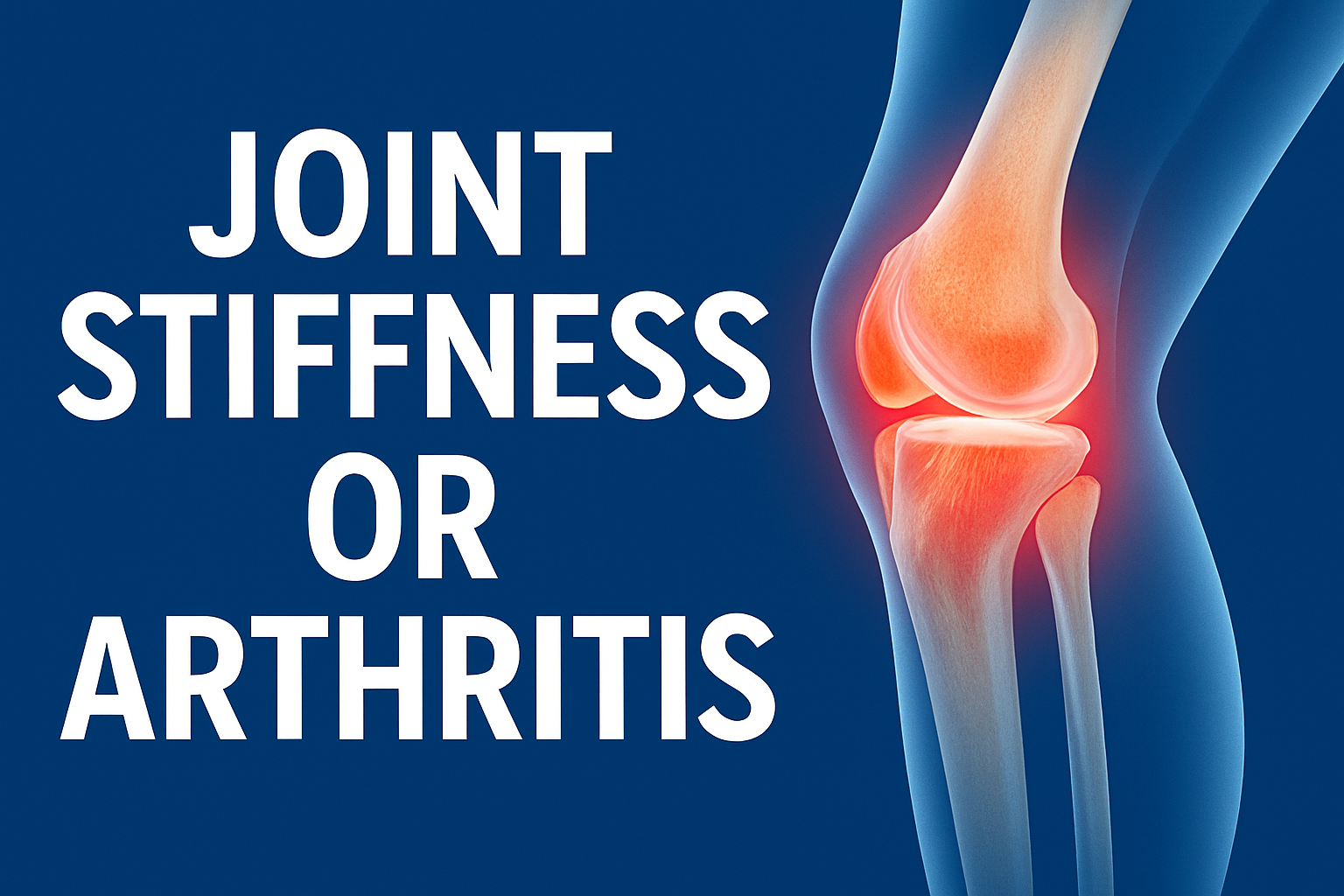
Joint discomfort affects millions of individuals worldwide, often disrupting mobility, comfort, and daily performance. We provide an in-depth, clinically aligned exploration of joint stiffness, arthritis, and the most effective evidence-based strategies to restore freedom of movement. Through scientifically supported insights and advanced wellness practices, this guide outlines how to maintain stronger joints, reduce inflammation, and reclaim long-term comfort.
Understanding Joint Stiffness and Arthritis Symptoms
Joint stiffness typically arises from inflammation, cartilage deterioration, or fluid imbalance within the joint capsule. Arthritis—whether osteoarthritis, rheumatoid arthritis, or inflammatory variants—intensifies these symptoms through chronic wear, immune dysfunction, and progressive degeneration. Early indications include:
- Morning stiffness lasting over 30 minutes
- Reduced joint flexibility
- Swelling around weight-bearing joints
- Persistent dull or sharp joint pain
- Grinding, clicking, or popping sensations
Recognizing these signs early supports faster intervention and improved long-term joint health.
Primary Causes of Joint Stiffness and Degenerative Arthritis
Joint stiffness or arthritis often develops from multiple contributing elements. The most common underlying causes include:
Age-Related Cartilage Breakdown
As collagen fibers diminish with age, joints lose their natural cushioning. Reduced elasticity leads to friction, stiffness, and discomfort.
Chronic Inflammation
Inflammatory markers can accumulate inside joints, causing swelling, reduced mobility, and accelerated cartilage degradation.
Autoimmune Imbalances
In conditions like rheumatoid arthritis, the immune system mistakenly attacks joint tissue, amplifying pain and stiffness.
Nutritional Deficiencies
Insufficient levels of vitamin D, omega-3 fatty acids, and antioxidants weaken joint resilience and slow natural repair processes.
Repetitive Strain and High-Impact Activity
Occupations or sports that involve repetitive motion contribute to microtears and long-term stiffness.
Anti-Inflammatory Nutrition for Stronger, More Flexible Joints
A powerful nutritional approach can significantly reduce stiffness and support cartilage regeneration. Clinically recognized nutrients include:
Omega-3 Fatty Acids
Omega-3s reduce inflammatory cytokines and improve lubrication in stiff joints, promoting smoother movement and less pain.
Curcumin
The active compound in turmeric has substantial anti-inflammatory benefits, supporting reduced swelling and increased flexibility.
Glucosamine and Chondroitin
These compounds assist in restoring cartilage thickness and enhancing joint cushioning.
MSM (Methylsulfonylmethane)
MSM promotes collagen synthesis, reduces oxidative stress, and supports long-term joint comfort.
Exercise Strategies to Improve Mobility and Reduce Stiffness
Targeted physical activity is one of the most valuable strategies to improve joint function. Effective movements include:
Low-Impact Aerobic Activity
Walking, cycling, and swimming increase blood circulation to joint tissues without overstraining them.
Strength Training
Building supportive muscle groups reduces pressure on joints and enhances stability.
Range-of-Motion Movements
Daily stretching maintains flexibility, reduces stiffness, and prevents further mobility limitations.
Balance and Coordination Routines
Exercises like tai chi and yoga help maintain posture, prevent falls, and support whole-body joint alignment.
Natural Remedies for Immediate and Long-Term Relief
In addition to clinical therapies, natural interventions play an essential role in managing joint stiffness or arthritis:
- Heat therapy improves blood flow and relaxes tense muscles.
- Cold therapy reduces swelling and numbs sharp discomfort.
- Epsom salt baths support magnesium absorption, easing muscle tension.
- Herbal supplements—including boswellia, ginger, and ashwagandha—promote a healthy inflammatory response.
These remedies complement professional treatments and enhance overall comfort.
Clinical Treatments for Moderate to Severe Joint Stiffness
For individuals experiencing chronic or advanced arthritis symptoms, clinical intervention may offer significant improvement.
Hyaluronic Acid Injections
Provide lubrication to the joints, helping reduce friction and discomfort.
Corticosteroid Therapy
Delivers fast-acting inflammation relief for severe flare-ups.
Platelet-Rich Plasma (PRP) Therapy
Uses concentrated platelets to support natural tissue repair and enhance joint resilience.
Joint Replacement Surgery
For end-stage arthritis, joint replacement restores stability, alleviates pain, and significantly improves mobility.
Preventive Strategies to Protect Joint Health Long-Term
Strengthening joint health early is essential to minimizing stiffness and preventing degenerative arthritis:
- Maintain a healthy weight to reduce pressure on load-bearing joints.
- Incorporate anti-inflammatory foods such as berries, leafy greens, and fatty fish.
- Stay physically active to enhance lubrication and nutrient delivery to joint tissues.
- Prioritize proper posture to avoid unnecessary strain.
- Stay hydrated to support joint fluid balance.
Conclusion: A Science-Driven Path to Restored Joint Comfort
Through a powerful combination of anti-inflammatory nutrition, structured exercise, natural remedies, and evidence-based clinical treatments, joint stiffness or arthritis can be effectively managed and significantly reduced. By maintaining consistent care and adopting a research-backed wellness routine, individuals can restore mobility, protect joint integrity, and achieve long-lasting comfort and freedom of movement.
READ MORE: https://fitsyfit.com/a-natural-solution-for-prostate-health/
1 thought on “Joint Stiffness or Arthritis: Comprehensive Relief Strategies for Lasting Mobility”