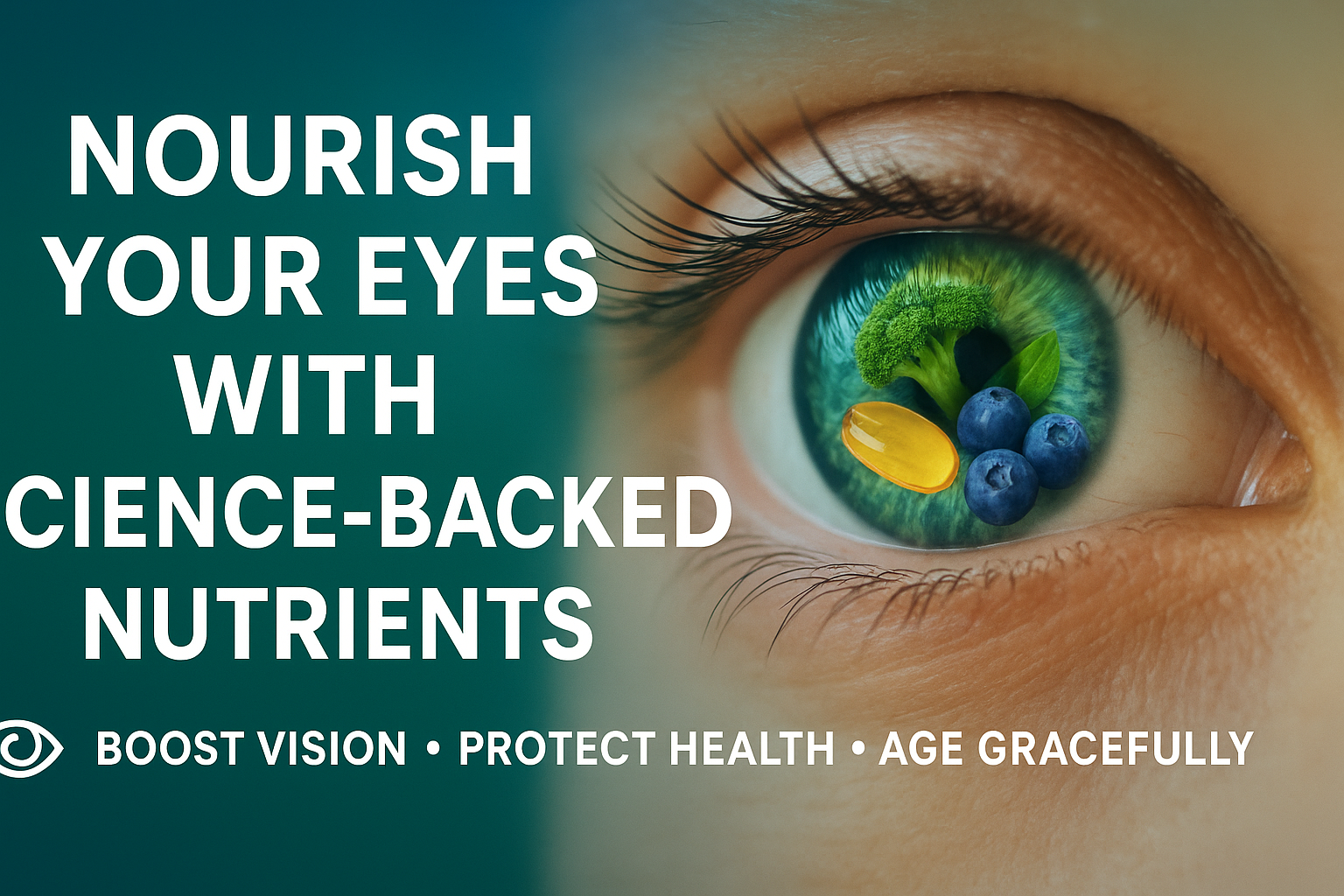
Maintaining optimal eye health goes far beyond regular check-ups—it begins with nourishing your eyes from within. Science confirms that specific nutrients play a critical role in protecting vision, reducing the risk of age-related eye diseases, and enhancing visual performance. In this comprehensive guide, we explore the most effective science-backed nutrients for eye health, their mechanisms, and how you can incorporate them into your daily nutrition for lasting visual wellness.
The Science Behind Eye Nutrition
The eyes are among the body’s most metabolically active organs, constantly exposed to light, oxidative stress, and environmental toxins. Nutrients such as antioxidants, carotenoids, omega-3 fatty acids, and essential minerals are vital for maintaining retinal integrity and preventing cellular damage. Scientific research has consistently demonstrated that dietary supplementation with these compounds can reduce the risk of conditions like macular degeneration, cataracts, and dry eye syndrome.
Lutein and Zeaxanthin: The Macular Protectors
Among all nutrients for eye health, lutein and zeaxanthin stand at the forefront. These two carotenoids are concentrated in the macula, the central part of the retina responsible for sharp vision. Acting as natural filters for harmful blue light, they neutralize oxidative damage and maintain visual clarity.
Clinical studies, including the AREDS2 (Age-Related Eye Disease Study), have confirmed that a daily intake of lutein and zeaxanthin can significantly reduce the risk of advanced age-related macular degeneration (AMD). Foods rich in these nutrients include spinach, kale, collard greens, corn, and egg yolks. For individuals with poor dietary intake, supplements standardized for macular carotenoids can be an effective alternative.
Omega-3 Fatty Acids: Fuel for the Retina
Docosahexaenoic acid (DHA) and eicosapentaenoic acid (EPA), the primary omega-3 fatty acids found in fish oil, are crucial structural components of retinal cells. DHA contributes to photoreceptor integrity, while EPA supports anti-inflammatory responses within ocular tissues. Research indicates that individuals with higher omega-3 intake experience a lower incidence of dry eye syndrome and better tear production.
Cold-water fatty fish like salmon, mackerel, and sardines are excellent sources. For vegetarians, algal oil supplements provide a potent plant-based alternative to maintain retinal function and ocular lubrication.
Vitamin C and E: Antioxidant Defense for Vision
Oxidative stress plays a pivotal role in cataract formation and retinal degeneration. Vitamin C (ascorbic acid) and Vitamin E (tocopherol) are powerful antioxidants that combat free radicals, safeguarding delicate ocular tissues from damage.
- Vitamin C helps maintain the transparency of the lens by preventing protein aggregation.
- Vitamin E protects the retina’s fatty membranes from peroxidation, ensuring healthy vision.
Regular consumption of citrus fruits, strawberries, almonds, and sunflower seeds can sustain adequate antioxidant levels to delay the onset of age-related eye disorders.
Zinc: The Vision Mineral
Zinc plays a crucial role in the transportation of Vitamin A from the liver to the retina, where it aids in producing melanin, the protective pigment of the eyes. Deficiency in zinc can lead to night blindness and impaired visual adaptation in low light.
The AREDS study also established zinc’s ability to slow the progression of macular degeneration. Ideal dietary sources include oysters, beef, pumpkin seeds, and lentils. Supplementation should be approached with care, as excessive zinc can interfere with copper absorption.
Vitamin A: The Foundation of Healthy Vision
Vitamin A (retinol) is indispensable for the maintenance of the cornea and the production of rhodopsin, a light-sensitive pigment essential for low-light vision. Chronic deficiency can lead to xerophthalmia, a serious condition causing corneal dryness and blindness.
Carrots, sweet potatoes, spinach, and fortified dairy products are abundant in beta-carotene, a precursor of Vitamin A. Regular intake supports both night vision and overall eye surface health.
Astaxanthin: The Next-Generation Eye Antioxidant
Emerging research highlights astaxanthin, a potent red carotenoid found in microalgae and seafood like krill and salmon, as one of the most powerful antioxidants for retinal protection. It reduces ocular fatigue, enhances blood flow to the retina, and provides defense against blue light-induced oxidative damage.
Astaxanthin’s superior bioavailability makes it a promising addition to modern eye health formulations.
Creating a Vision-Supportive Lifestyle
Optimal eye nutrition works best in synergy with healthy lifestyle habits. To maximize results:
- Maintain a balanced diet rich in colorful fruits and vegetables.
- Protect your eyes from UV radiation using quality sunglasses.
- Limit screen exposure and ensure adequate sleep.
- Stay hydrated to support tear film stability.
Conclusion: Science-Driven Nutrition for Lifelong Vision
The path to sustained visual clarity lies in scientifically validated nutritional support. Incorporating lutein, zeaxanthin, omega-3 fatty acids, vitamins A, C, and E, zinc, and astaxanthin into your diet can profoundly enhance eye resilience and function. As research continues to uncover the intricate connection between nutrition and ocular health, it becomes clear that what we eat today directly shapes how clearly we see tomorrow.
By nourishing your eyes with these science-backed nutrients, you empower your vision to remain sharp, clear, and vibrant for years to come.
ASLO READ: https://fitsyfit.com/natural-supplement-for-ear-health-and-tinnitus-relief/
1 thought on “Nourishing Your Eyes with Science-Backed Nutrients: The Ultimate Guide to Lifelong Vision Health”